Hold and release: how every batch earns its way out of our kitchen
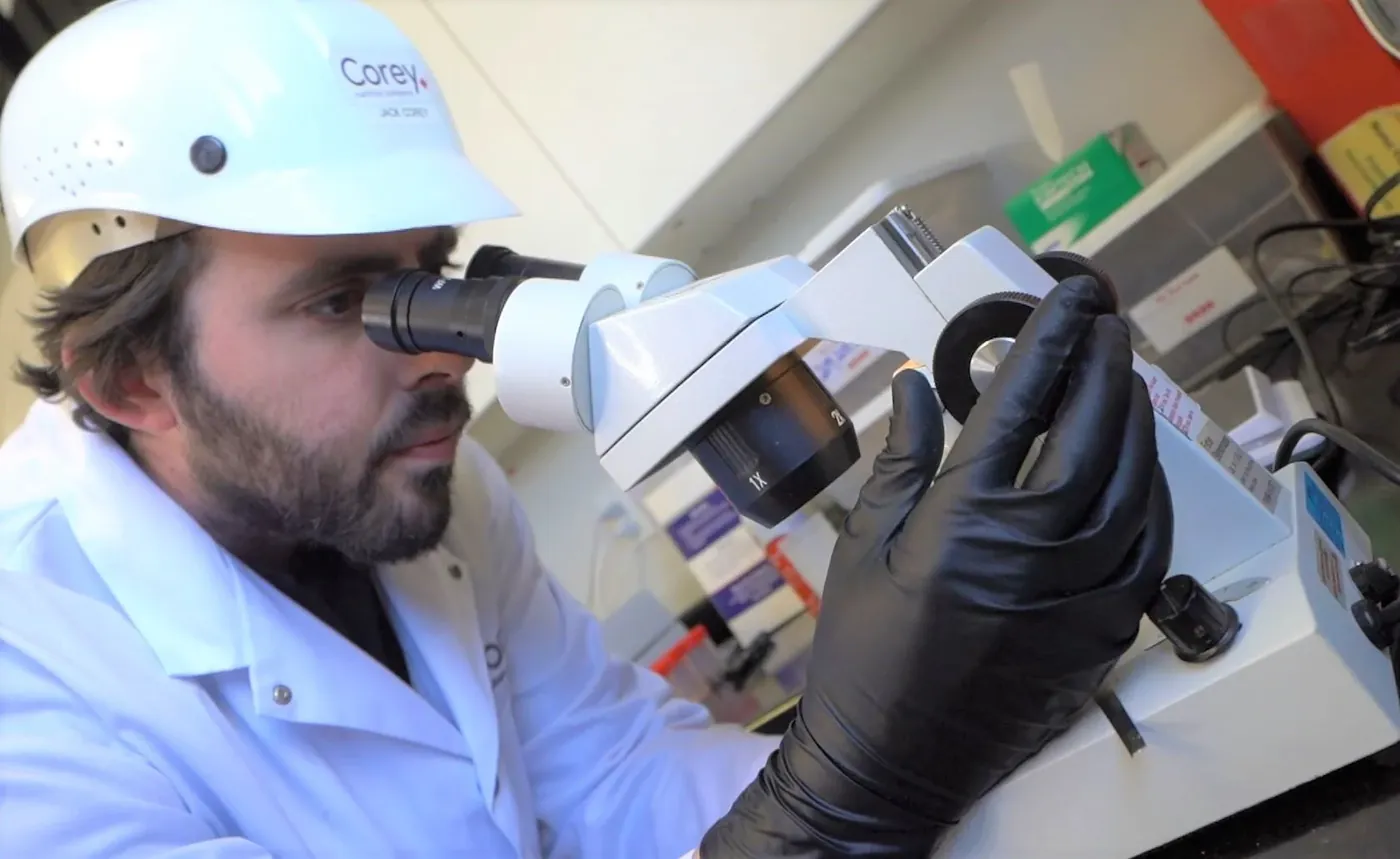
Dry pet food is safe because it is dry. Most food safety in kibble comes down to keeping moisture, mould and bacteria out, and proving it before a bag leaves the building. Corey calls its system the Attentive Process.
1. Water activity, measured in-house
Water activity is not the same as moisture content. It measures how much water is available for microbes to use. Keeping it low is one of the most important ways to prevent mould or bacterial growth, so Corey's quality assurance team, a group of trained biologists, tests it on site.
2. Microbial testing by a third party
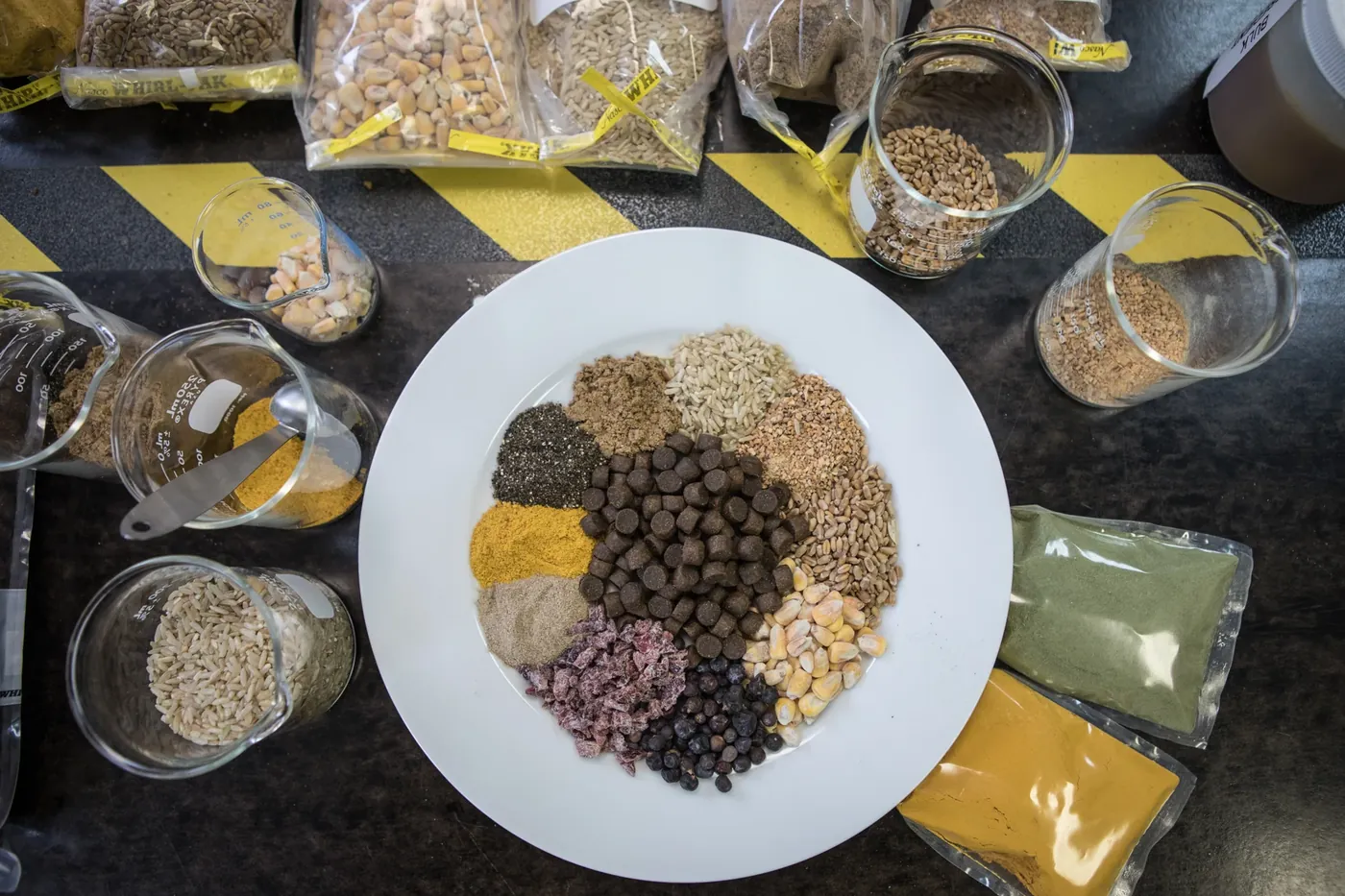
Samples from each batch are randomly selected and sent to an independent laboratory for microbial testing. An outside lab means an outside set of eyes.
3. Hold and release
Product is held at the facility until results are in. Nothing ships on hope.
4. Physical quality checks
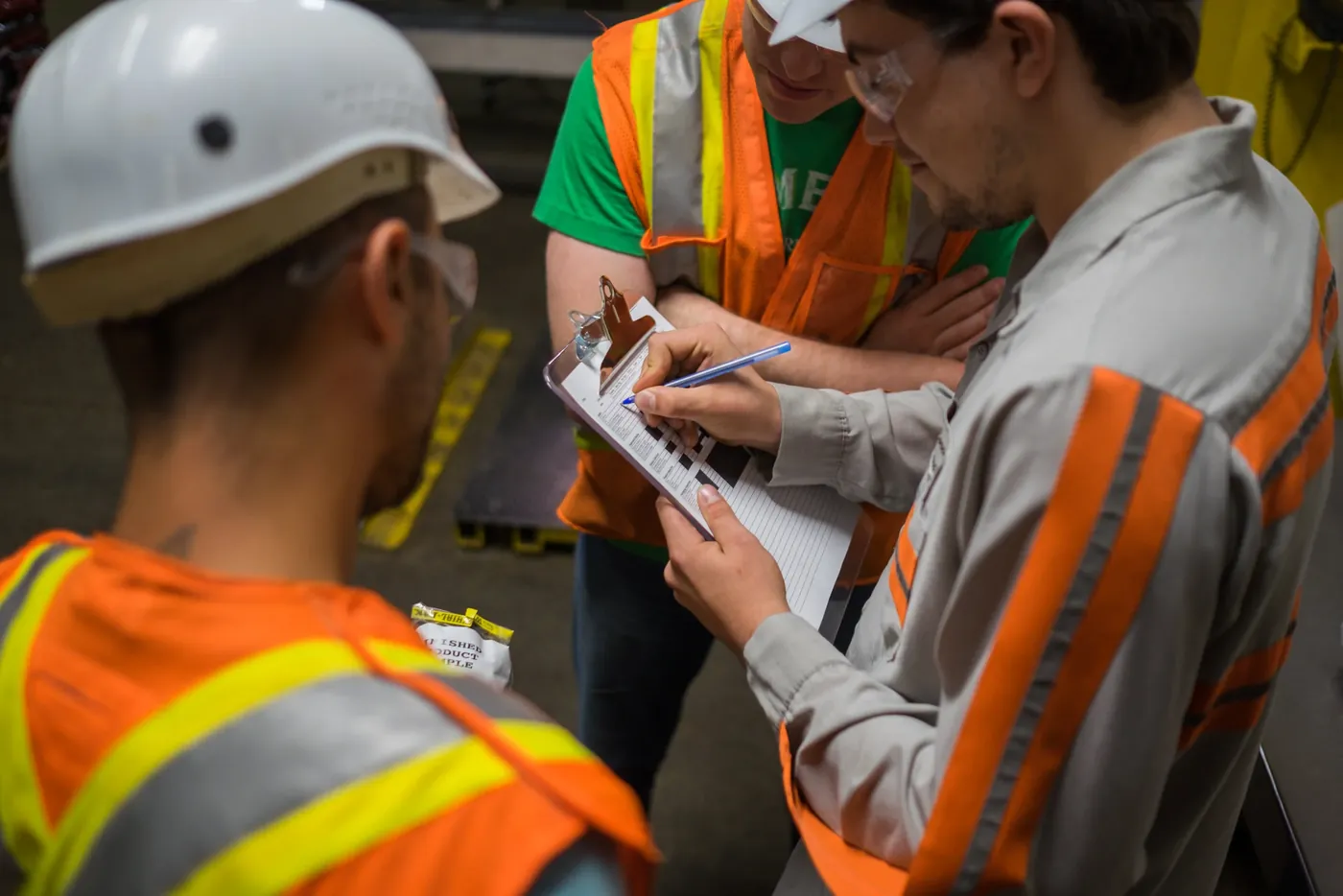
Durability checks make sure kibble doesn't break down before it reaches your home. The team also checks consistency in shape, size and colour across every batch.
5. A clean, calibrated plant
From cleaning to calibration, equipment checks keep the line running safely for the people who make the food and to the standard of the pets who eat it. Corey meets AAFCO and CFIA standards, and its facility is audited and approved by CFIA, USDA and FDA.
Questions owners ask
What is water activity in pet food?
Water activity measures how much water in a food is available to microbes. Low water activity helps prevent mould and bacterial growth in dry kibble.
Is Corey pet food tested before it ships?
Yes. Every batch is tested before shipping, with random samples sent to a third-party lab for microbial testing under a hold-and-release policy.
This article is general information from Corey Nutrition's team and isn't a substitute for advice from your veterinarian.