Hard keepers: why your dog won't gain weight, and what to change
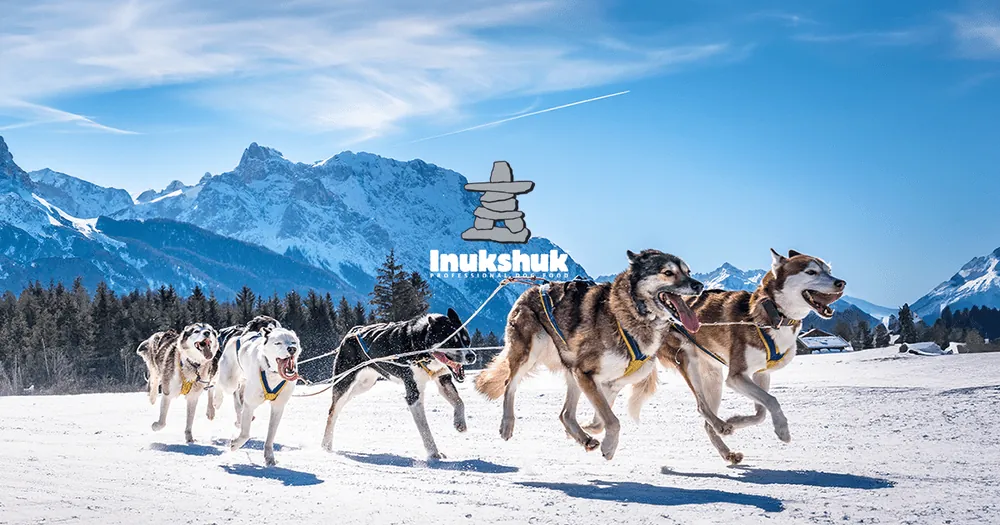
Some dogs are simply hard keepers. High-drive breeds, dogs with fast metabolisms, and dogs working in the cold can burn calories faster than they can eat them.
First, rule things out
Parasites, dental problems and digestive or metabolic disease can all cause weight loss. A vet check comes first.
Why "just feed more" fails
A dog's stomach has limits. Huge meals of a low-density food can mean loose stools, poor absorption and a dog who still isn't getting enough. In Inukshuk's experience, weight gain comes from choosing the right energy level, not feeding more food.
Move up the ladder
Inukshuk 30/25 and Marine 30/25 deliver about 580 kcal per cup. 32/32 delivers about 720. That's more energy in each mouthful.
Split meals
Two or three meals are easier to digest than one big one.
Track condition, not the scale alone
Muscle over the spine, hips and shoulders tells you more than a number. Take photos every two weeks.
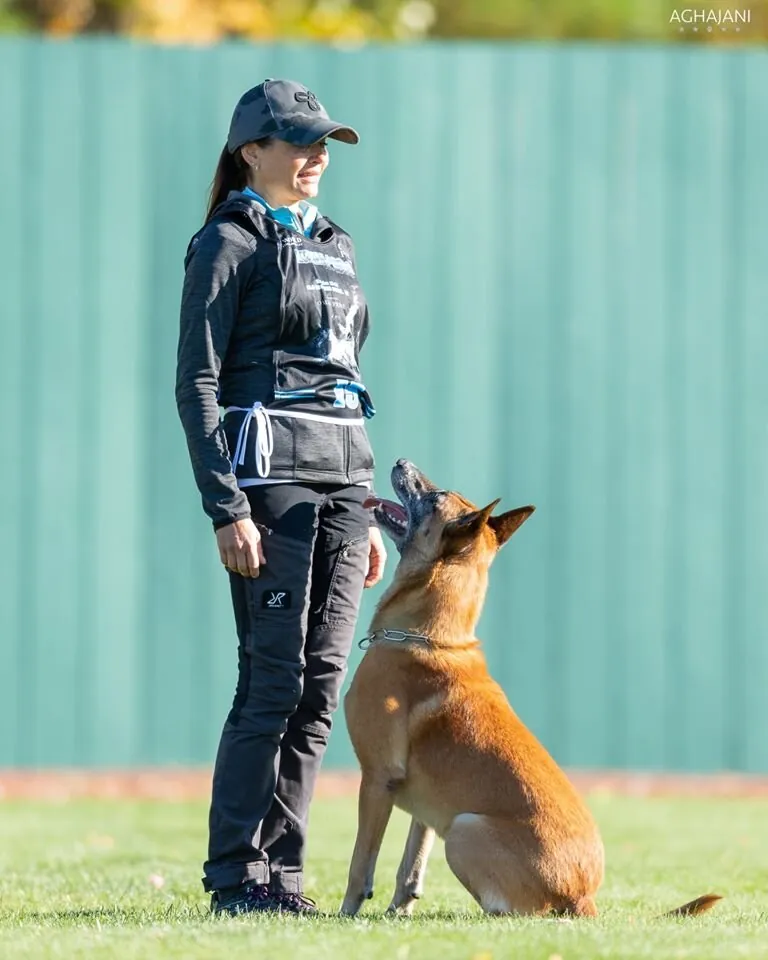
"He used to eat 6 cups of a competing dog food and would still struggle to hold weight."
An Inukshuk customer on her husband's working K9
Formulas mentioned: Inukshuk 30/25 · Inukshuk 32/32
Questions owners ask
What dog food helps dogs gain weight?
A calorie-dense, highly digestible food. Inukshuk 30/25 (about 578 kcal/cup) or 32/32 (about 720 kcal/cup) packs more energy per meal.
This article is general information from Corey Nutrition's team and isn't a substitute for advice from your veterinarian.